What Is Eau de Toilette vs Eau de Parfum vs Parfum?.
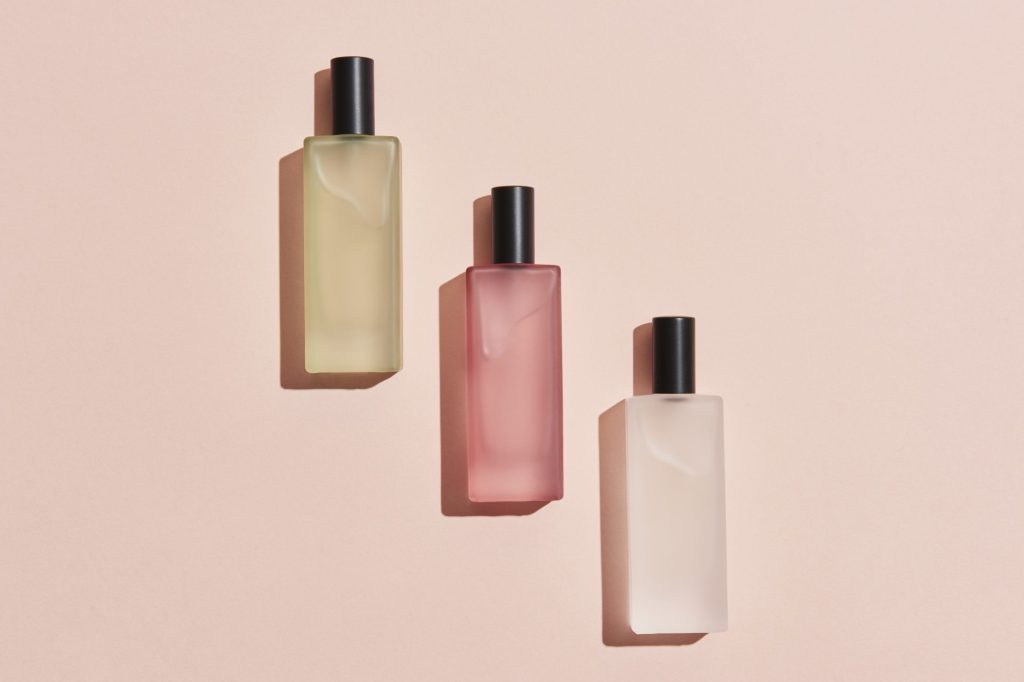
Image by rawpixel.com
If you’ve ever stood in a fragrance department feeling slightly confused about why the same scent comes in multiple versions at different prices, you’re not alone.
Eau de Toilette, Eau de Parfum and Parfum are the terms that get thrown around constantly, but they’re rarely explained clearly. Here’s what it all actually means and how to use it to make better decisions when you’re buying perfume.
It’s All About Perfume Concentration
The difference between fragrance categories comes down to how much fragrance oil is dissolved in the formula. Every perfume is a mixture of fragrance concentrate and a carrier, usually alcohol and a small amount of water. The higher the concentration of fragrance oil, the stronger, longer-lasting and typically more expensive the product is.
That’s the simple version. In practice, it’s a little more nuanced than that, but concentration is the foundation of the whole system.
Eau de Cologne
At the lower end of the concentration scale sits Eau de Cologne, usually containing around 2 to 4 per cent fragrance oil.
It’s light and designed to be applied generously and frequently. The term originally referred to a specific style of fragrance from Cologne in Germany and while it’s now used more broadly as a concentration category, many Eaux de Cologne still lean towards that bright, invigorating character.
Longevity is modest, usually a couple of hours at most, which is why they tend to come in larger bottles. They’re not meant to last all day. Think of them as a pick-me-up rather than a signature scent.
Eau de Toilette
Eau de Toilette typically contains between 5 and 15 per cent fragrance oil, with most sitting around the 8 to 12 per cent mark. It’s the most commonly produced fragrance concentration and the one you’ll encounter most often on shop shelves.
EDT tends to be lighter and fresher than its higher-concentration counterparts, which suits certain fragrance styles very well. Many citrus, aquatic and light floral fragrances are specifically formulated for EDT because the style of the scent suits a lighter touch. You’ll get a few hours of wear from a good EDT, often more if the formula is well-made and the sillage (the trail a fragrance leaves in the air around you) tends to be moderate rather than bold.
One common misconception is that EDT is simply a diluted, lesser version of an EDP. In many cases, the EDT and EDP versions of the same fragrance are actually different formulations with different proportions of notes, not just different dilutions of the same thing. A brand’s EDT might be specifically formulated to be fresher and more casual, while the EDP is richer and more formal.
Eau de Parfum
Eau de Parfum sits at roughly 15 to 20 per cent fragrance concentration, which puts it in noticeably different territory to EDT in terms of performance. The scent tends to be richer and more complex, the longevity is considerably better, typically six to eight hours on skin and the sillage is more pronounced.
EDP is the format that suits most people for everyday wear when they want their fragrance to genuinely last. It’s the sweet spot for the majority of fragrance categories, from florals to orientals to woody scents and it’s why EDP has become the dominant format in the higher end of the market.
If you’re finding that your current perfume fades quickly throughout the day, switching from an EDT to the EDP version is often the simplest fix.
Parfum (Extrait de Parfum)
Parfum, sometimes called Extrait de Parfum or simply Extrait, is a concentrated perfume with a concentration of 20 per cent or higher, with some formulations reaching 40 per cent. It’s the most concentrated, most expensive and longest-lasting format available.
A small amount goes a long way. Where you might apply five or six sprays of an EDT, a couple of touches of Parfum is usually plenty. The scent develops slowly and stays close to the skin rather than projecting loudly, giving it an intimacy that higher-dilution formats don’t always offer. People nearby tend to catch it rather than everyone in the room, which some people strongly prefer.
Parfum also tends to show the full depth of a fragrance better than lighter formats. The base notes, such as the warmest, richest, most complex elements of a scent, have more room to develop and shine at higher concentrations, which is why a Parfum version of a fragrance can sometimes smell noticeably more interesting than its EDT counterpart.
Which Perfume Strength Should You Buy?
It depends on the fragrance, how you like to wear it and what you need it to do. For something light and fresh that you want to reapply throughout the day, EDT makes perfect sense. For a scent you want to apply once and have last from morning into evening, EDP is usually the better choice. For something special, intimate and long-lasting, Parfum is worth the investment.
When in doubt, try before you buy because the same fragrance really can smell and behave quite differently across concentrations and there’s no substitute for testing it on your own skin.